
From woodland trails and waterfront boardwalks to paddling, pickleball, and public art, the Spindle City offers more ways to get outside than you might expect.
Fall River’s brick mills, steep hills, and waterfront skyline tell one part of the city’s story. Head east, and the landscape changes dramatically.
More than 50 percent of Fall River’s 40.2 square miles is made up of forest, wetlands, water, and protected watershed land. This includes the Watuppa Ponds, hundreds of acres of woodlands, and a portion of the 13,600-acre Southeastern Massachusetts Bioreserve. The city’s denser urban and industrial neighborhoods are largely concentrated in its western half, along the Taunton River and Mount Hope Bay.
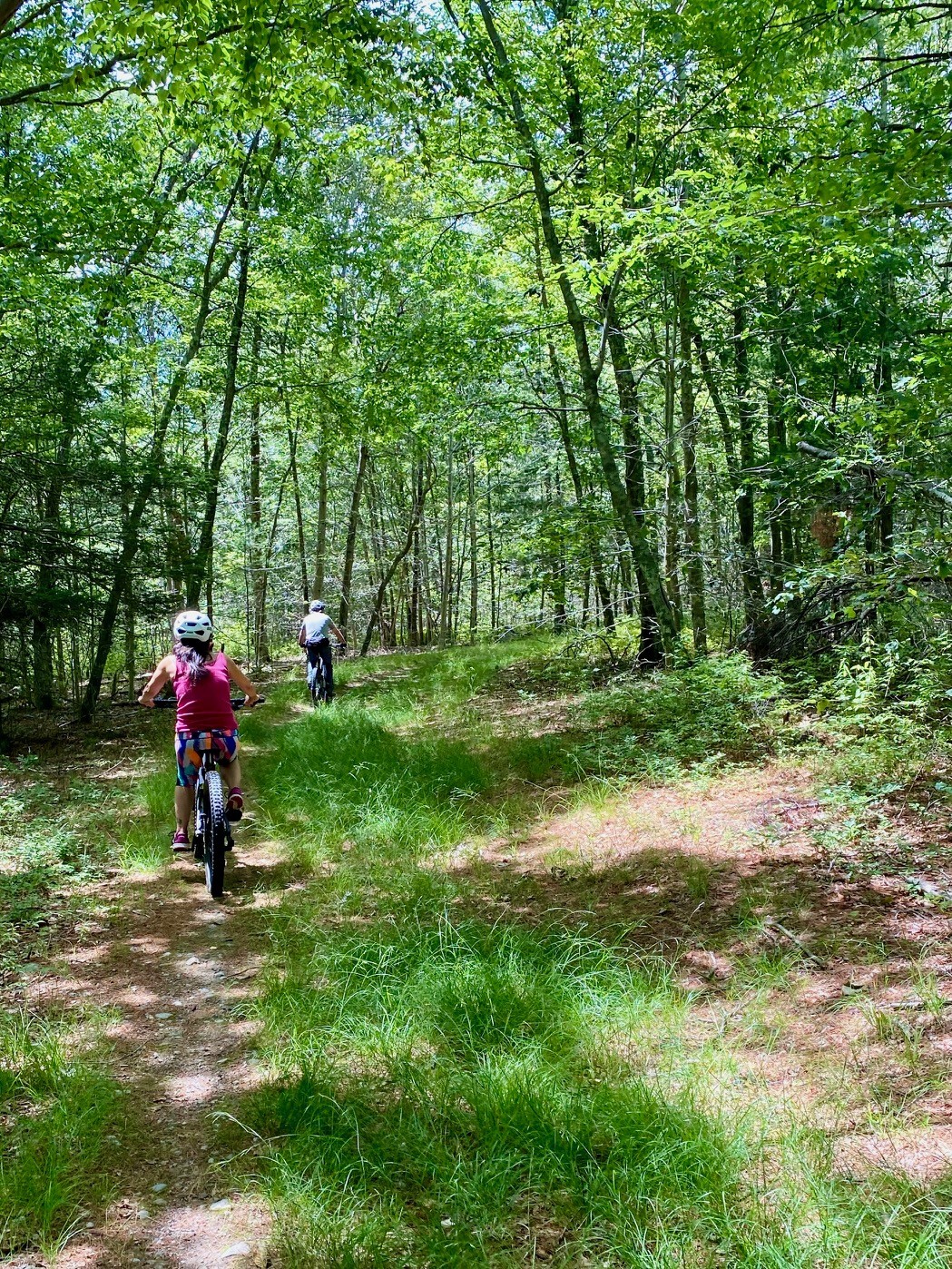
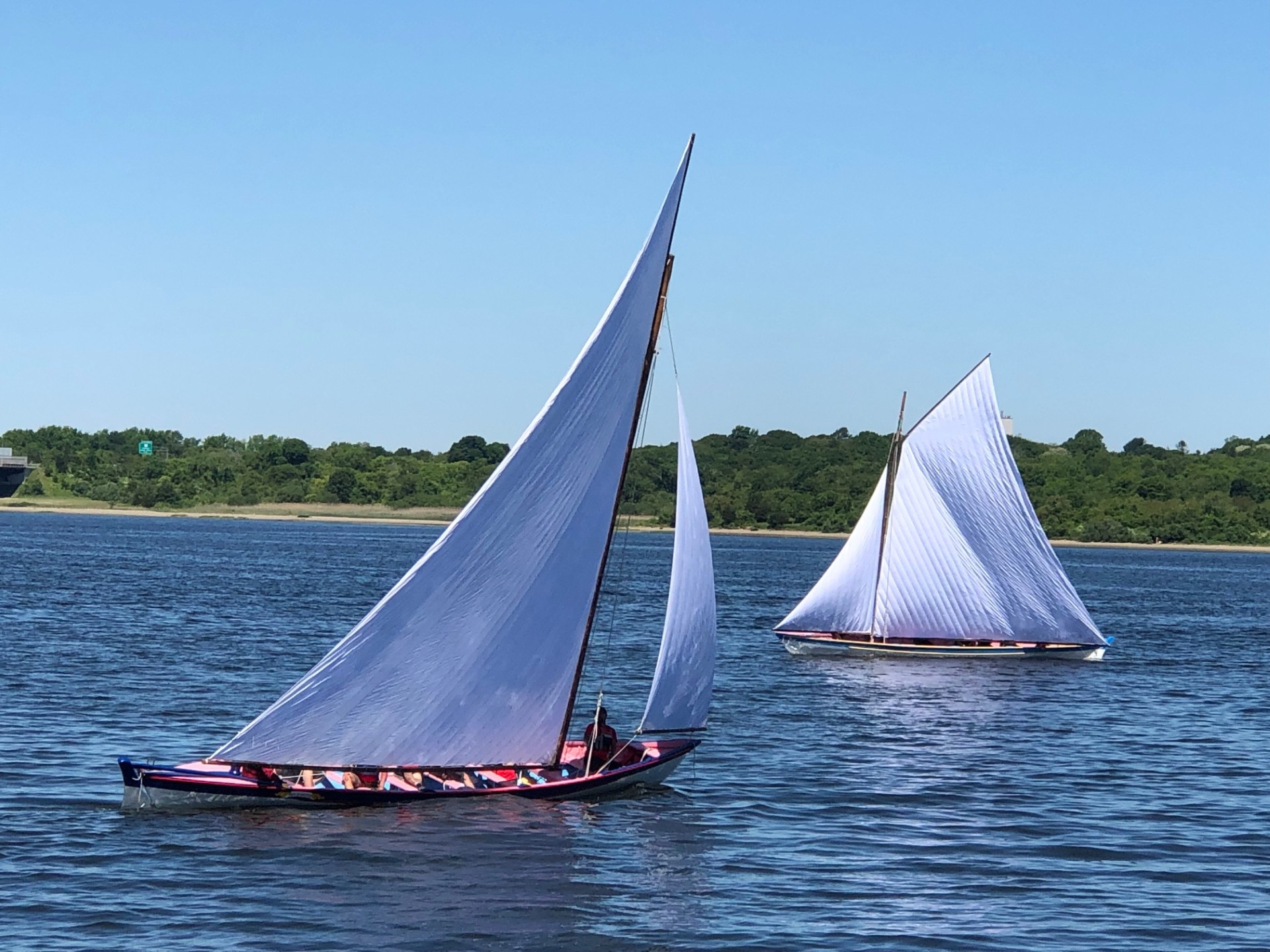
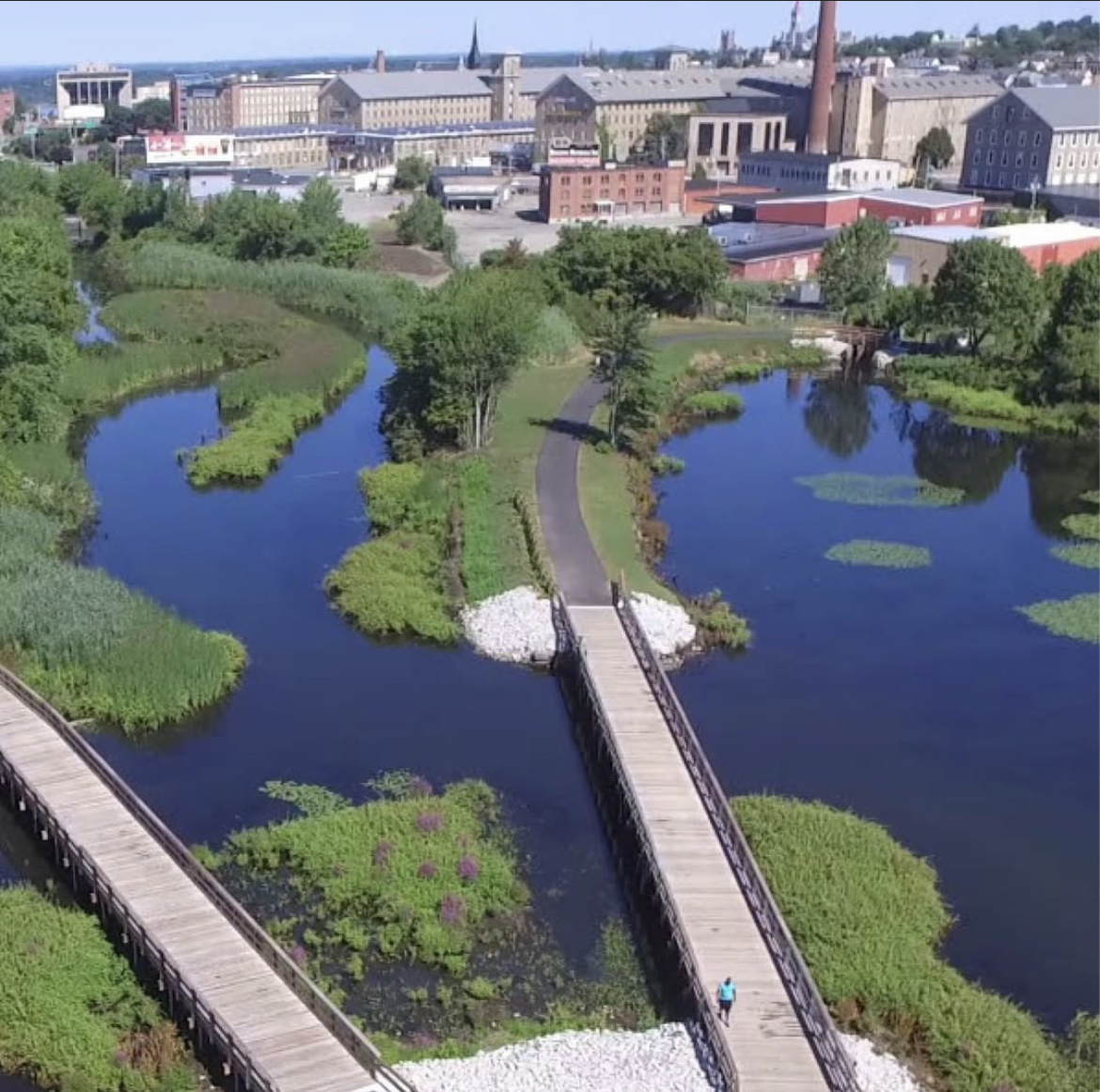
The result is a city where outdoor experiences come in many forms. You can hike deep into the woods, cycle beside a historic river, walk above the Taunton River, paddle across a pond, play a round of pickleball, or follow a trail of murals and sculptures.
Just over the Rhode Island line, Fall River makes an easy destination for an outdoor adventure close to home.
Go Deep Into the Woods

One of Fall River’s biggest surprises is Copicut Woods, a 516-acre property that serves as a gateway to the Southeastern Massachusetts Bioreserve.
Its name comes from a Wampanoag word meaning “deep woods,” and the setting lives up to it. Trails wind through forests, wetlands, streams, and open meadows, offering opportunities for hiking, trail running, mountain biking, birdwatching, and wildlife exploration.
Choose a shorter, leisurely walk or make a day of it on the 20-mile Bioreserve Loop Trail. Leashed dogs are welcome, and picnic tables provide a place to recharge before or after a hike.
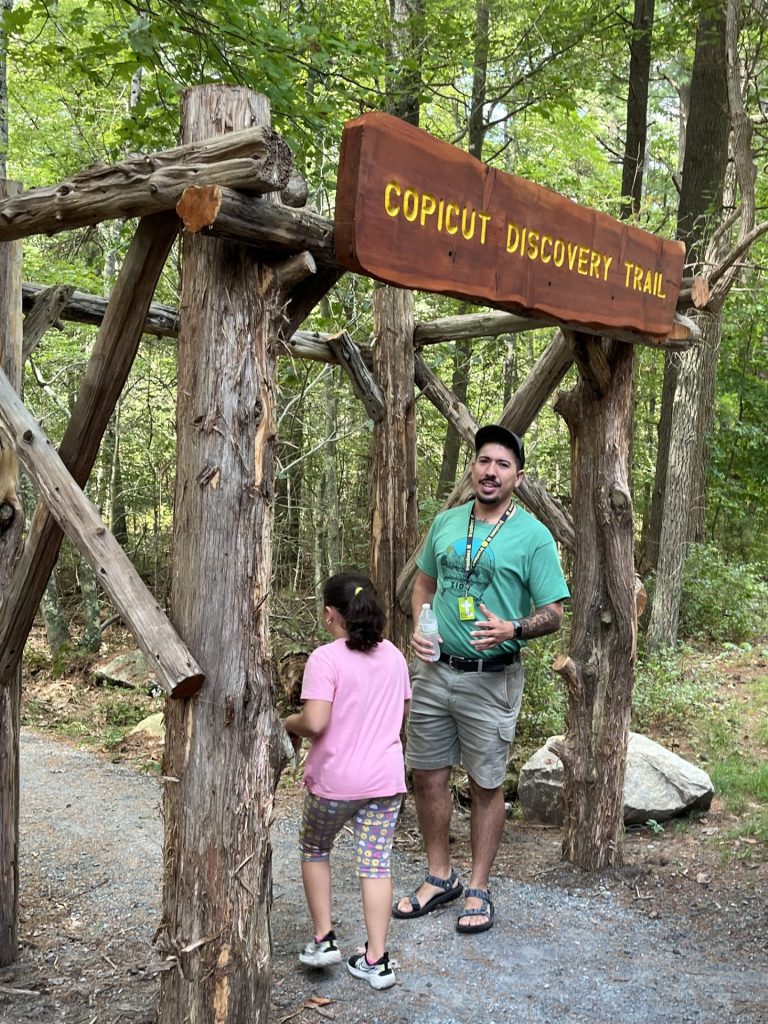
Families and visitors with mobility needs can explore the Copicut Discovery Trail, an approximately quarter-mile, wheelchair- and stroller-accessible path. Along the way, five interactive “Curious Finds” stations invite children to touch, observe, and connect with the natural environment.
Walk or Ride Through the City’s History
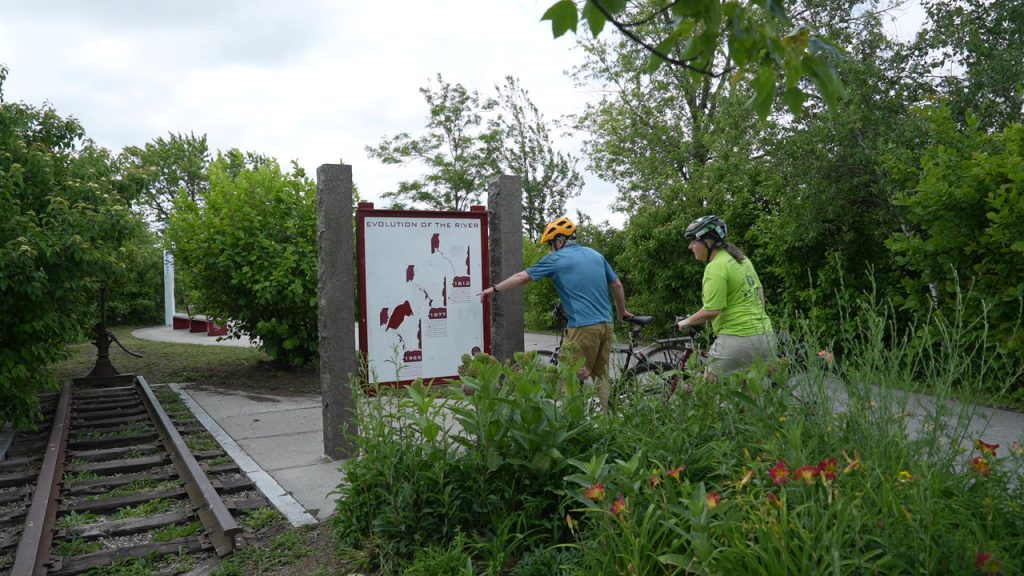
The Alfred J. Lima Quequechan River Rail Trail offers an entirely different way to experience Fall River’s landscape.
The paved trail follows a former railroad bed through the city, crossing five timber bridges and passing ponds, marshes, and stretches of the Quequechan River. Walkers, runners, cyclists, families with strollers, and visitors using mobility devices can all enjoy its relatively flat surface.
The paved trail follows a former railroad bed through the city, crossing five timber bridges and passing ponds, marshes, and stretches of the Quequechan River. Walkers, runners, cyclists, families with strollers, and visitors using mobility devices can all enjoy its relatively flat surface.
Keep an eye out for ducks, swans, turtles, and other wildlife. You will also find public art along the trail, including sculptures, Portuguese-inspired ceramic installations, and a living art wall that continues to evolve with the work of local street artists.
The route also reveals an important piece of Fall River’s history. The Quequechan River once powered the textile mills that made Fall River one of the world’s leading cloth-producing cities. Here, nature, industry, and art share the same path.
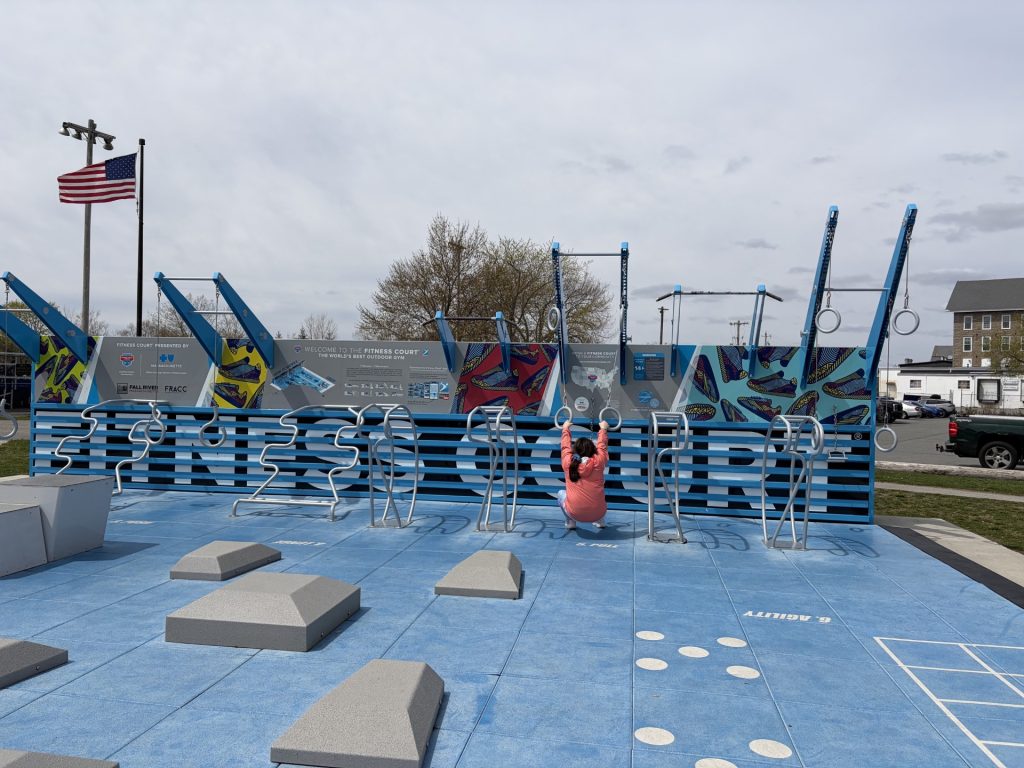
Britland Park (parking lot on Wordell St.) provides one of several access points and adds even more recreation to the mix, including soccer fields, tennis and basketball courts, and a free outdoor fitness court.
Follow the Taunton River
For wide-open water views, head to Fall River’s waterfront and the Bicentennial Trail and Boardwalk.
The 2.2-mile route connects some of the city’s best-known attractions, including Battleship Cove, Fall River Heritage State Park, Senator Thomas Norton City Pier, and Veterans Memorial Bicentennial Park. The flat boardwalk welcomes walkers of all ages and abilities, with benches, picnic areas, and plenty of places to pause and enjoy the breeze.
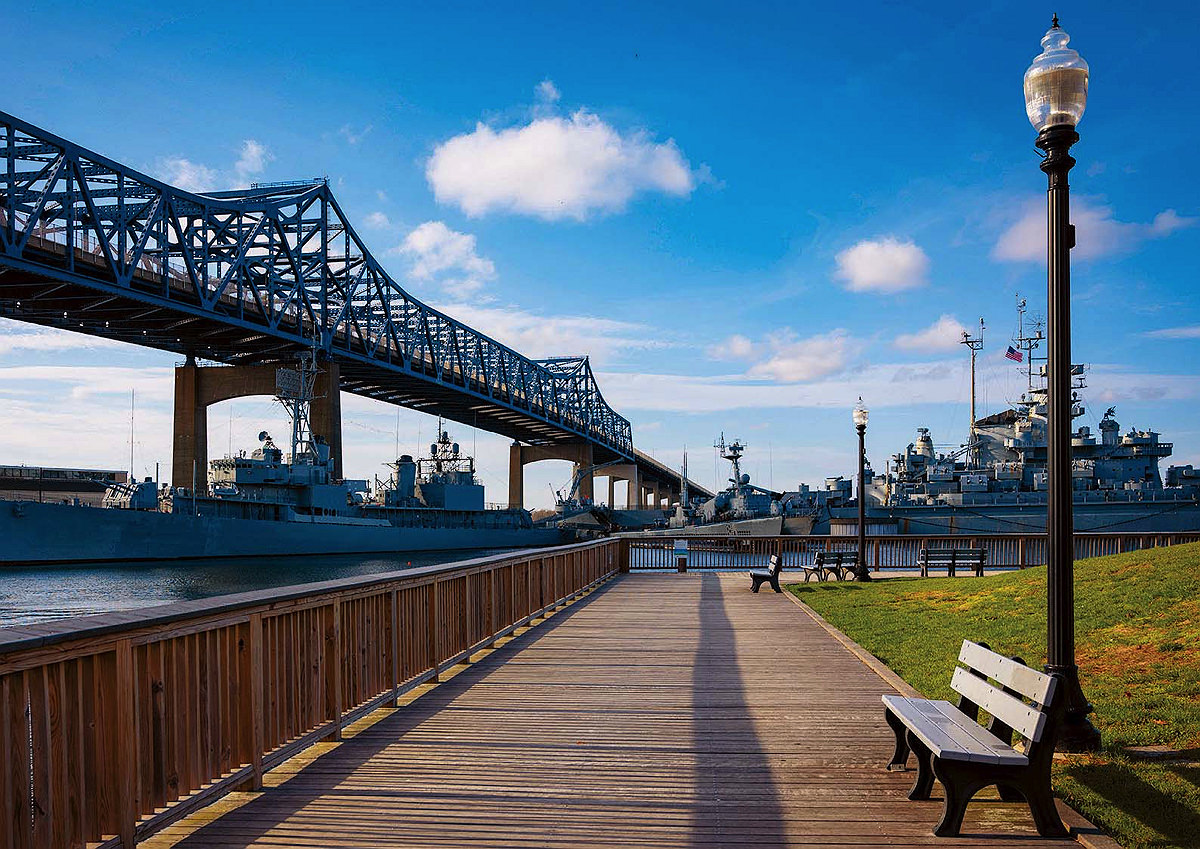
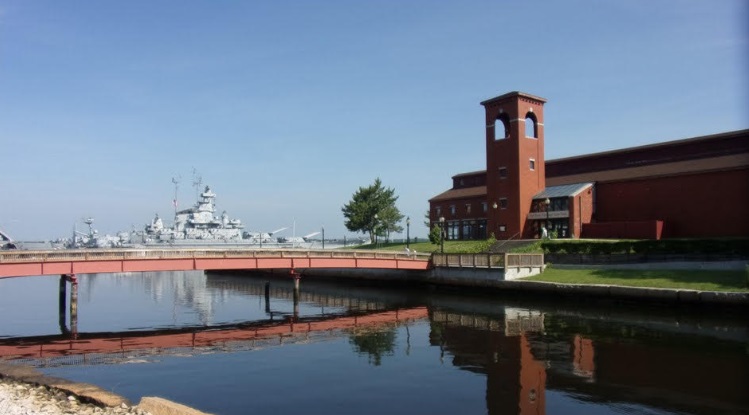
At Fall River Heritage State Park, visitors can spread out on the waterfront meadow, enjoy a picnic, or take in views of Battleship Cove and the Braga Bridge.
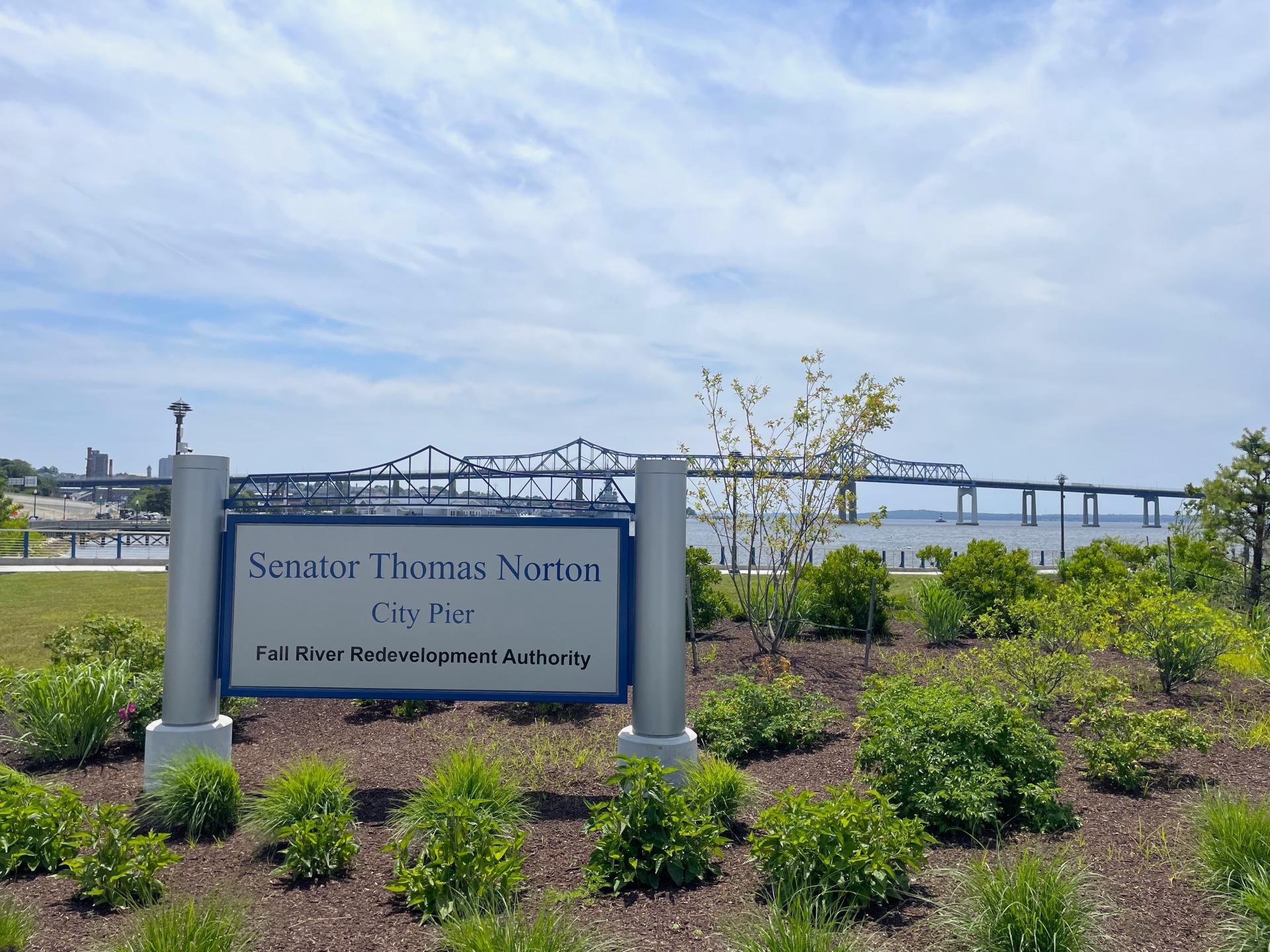
Farther north, the Senator Thomas Norton City Pier extends into the Taunton River with four acres of green space and floating docks. It is an ideal spot for watching boats, flying a kite, catching a sunset, or simply relaxing by the water.
The route ends at Veterans Memorial Bicentennial Park, where waterfront views are paired with military monuments, tennis courts, and open green space.
Get Onto the Water
Fall River’s ponds, river, and bay make the city just as inviting from the water as it is from land.
South Watuppa Pond offers room for kayaking, canoeing, and boating, with broad views that feel far removed from the city’s urban center. The Taunton River provides additional opportunities for sailing and fishing, along with a new perspective on the waterfront, city skyline, and Braga Bridge.
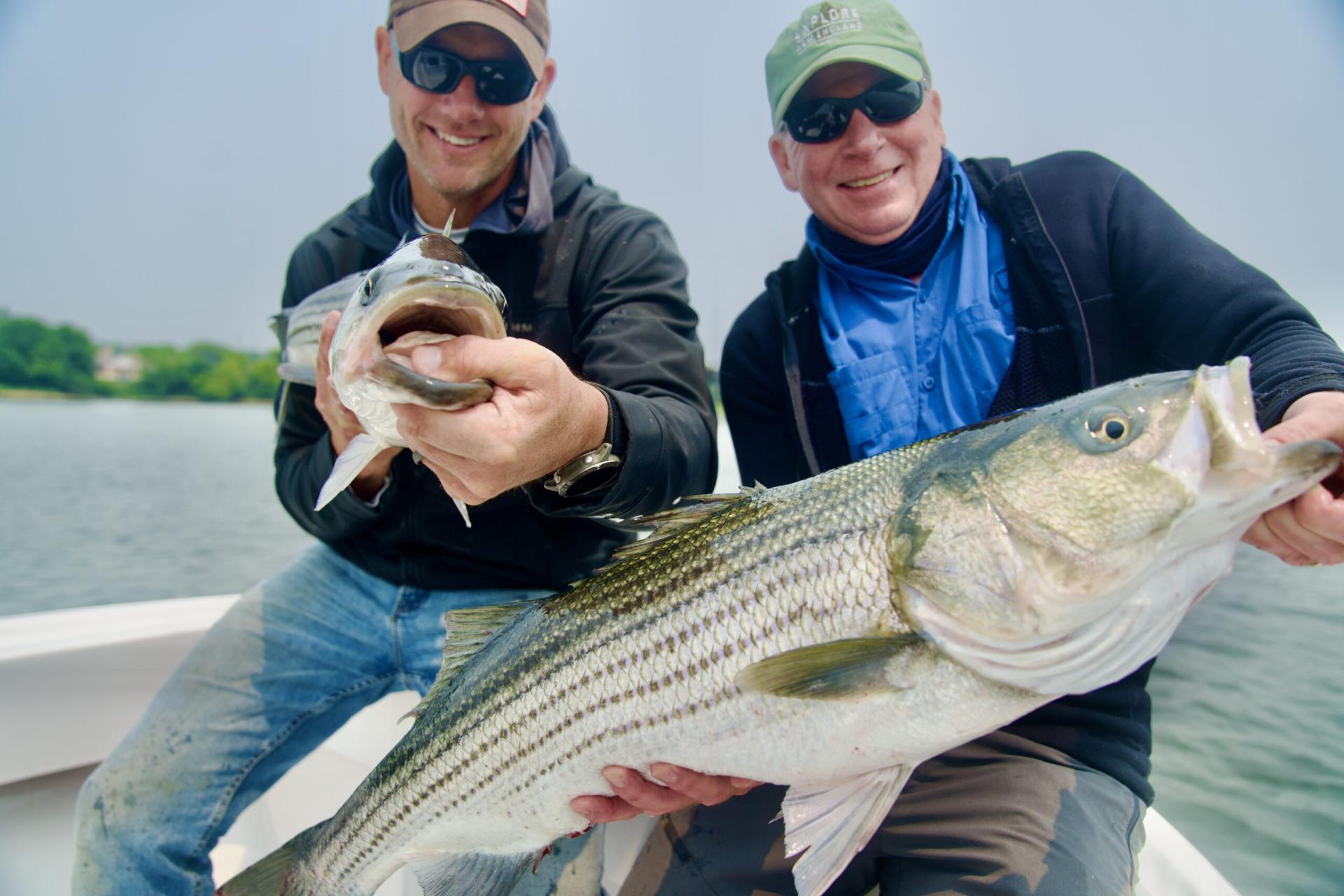
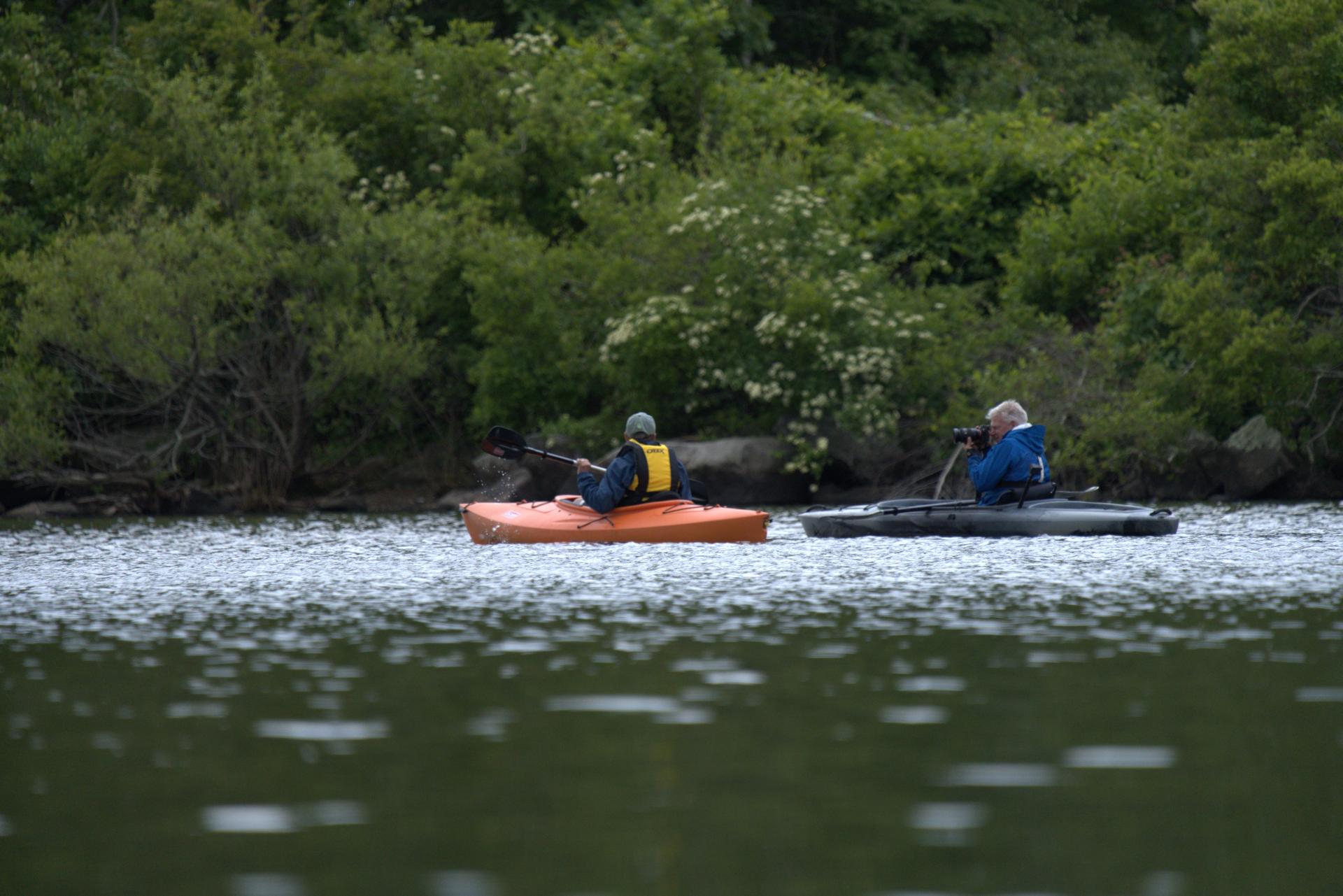
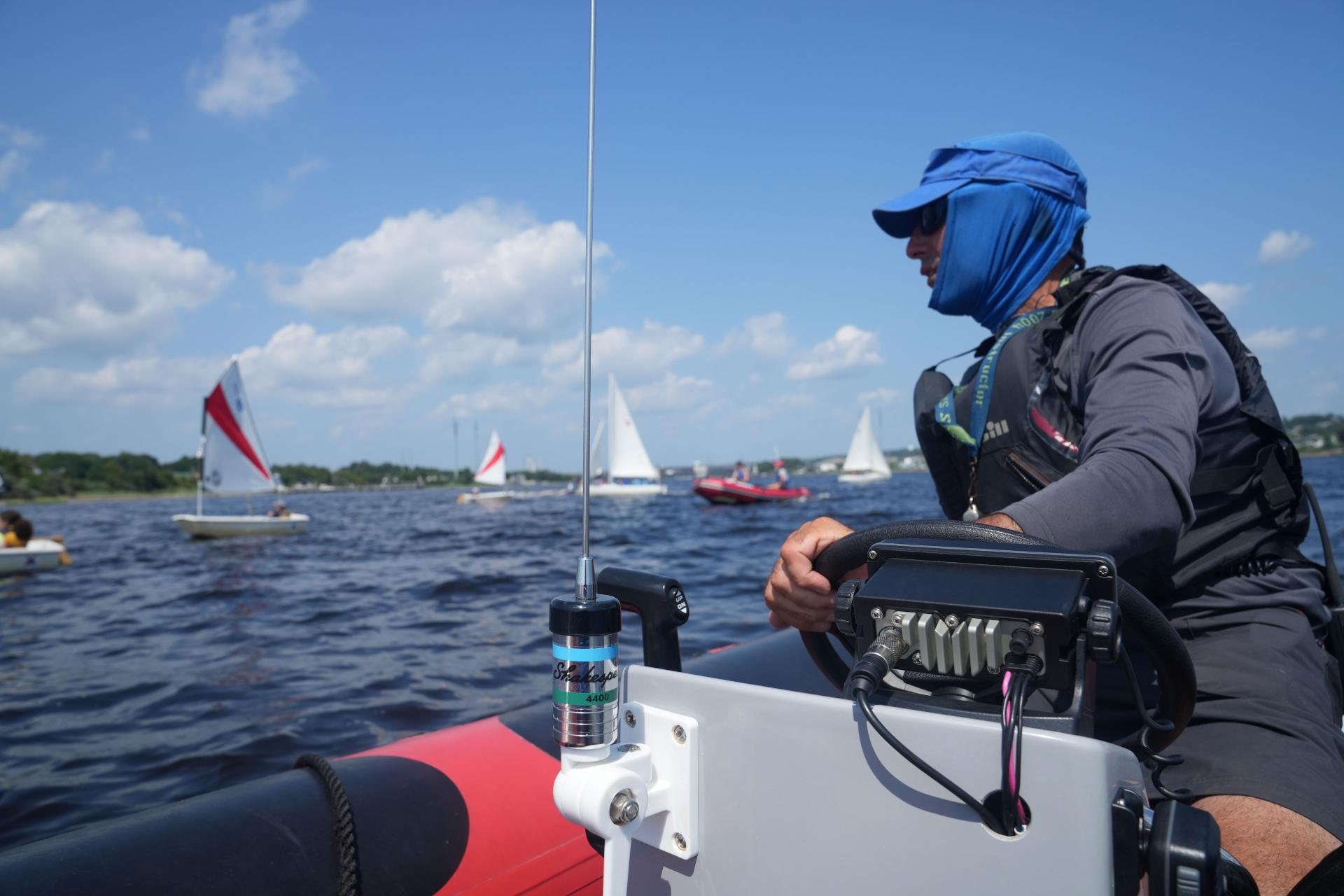
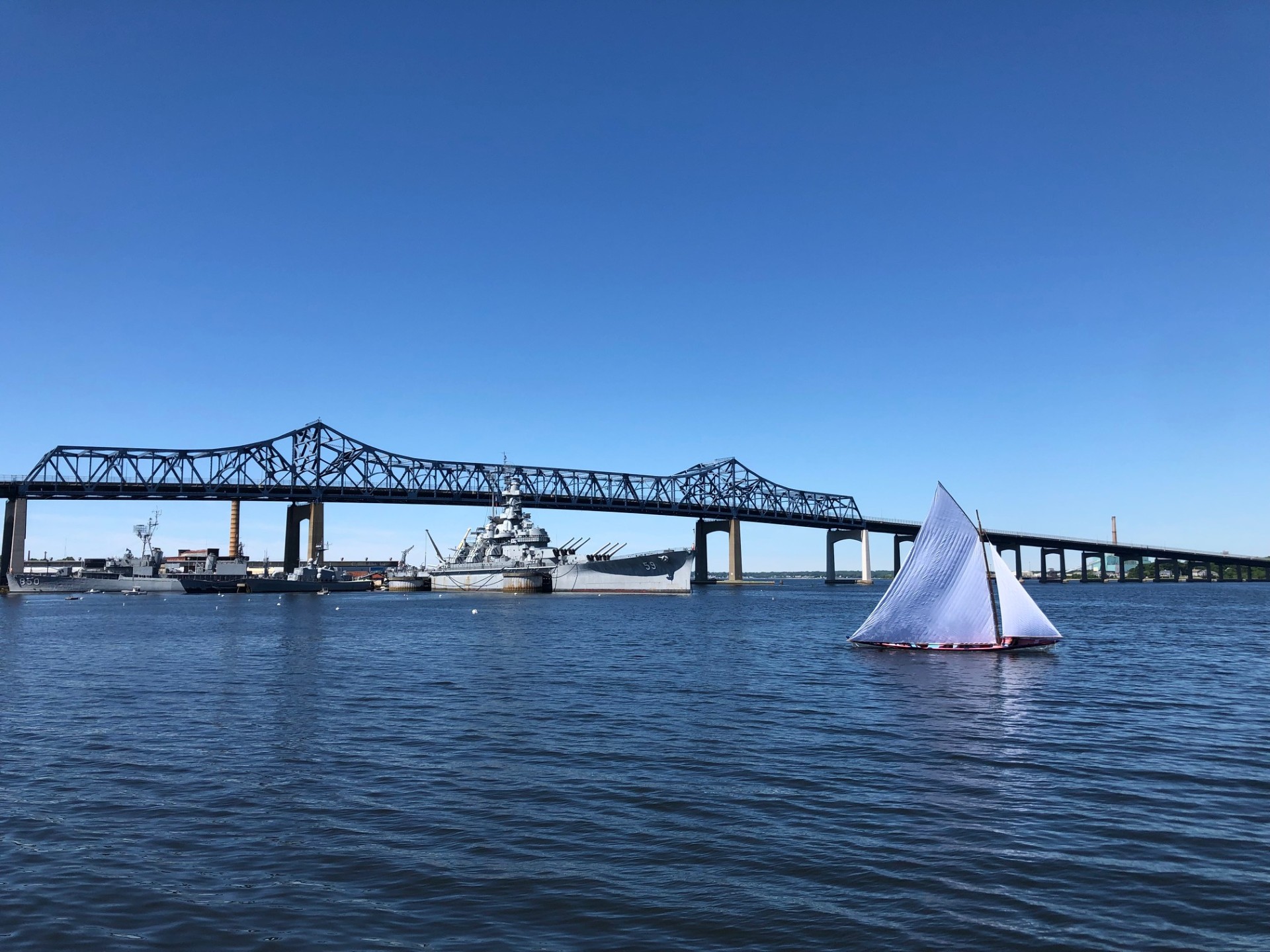
Bring your own equipment and check local launch information, boating regulations, and water conditions before heading out. Even if paddling is not on the day’s itinerary, the shoreline parks and overlooks provide plenty of ways to enjoy the water.
Find a Park That Fits Your Plans
Fall River has more than 24 parks and playgrounds, with options ranging from quiet green spaces to busy athletic centers. Throughout the city, visitors can find basketball, tennis, and pickleball courts; baseball, softball, and soccer fields; playgrounds; skate parks; splash pads; picnic areas; and a public pool.
Several city parks are connected to the legacy of Frederick Law Olmsted, the landscape architect best known for New York City’s Central Park. Kennedy Park, North Park, and Ruggles Park bring historic landscape design and recreational amenities into some of Fall River’s most established neighborhoods.
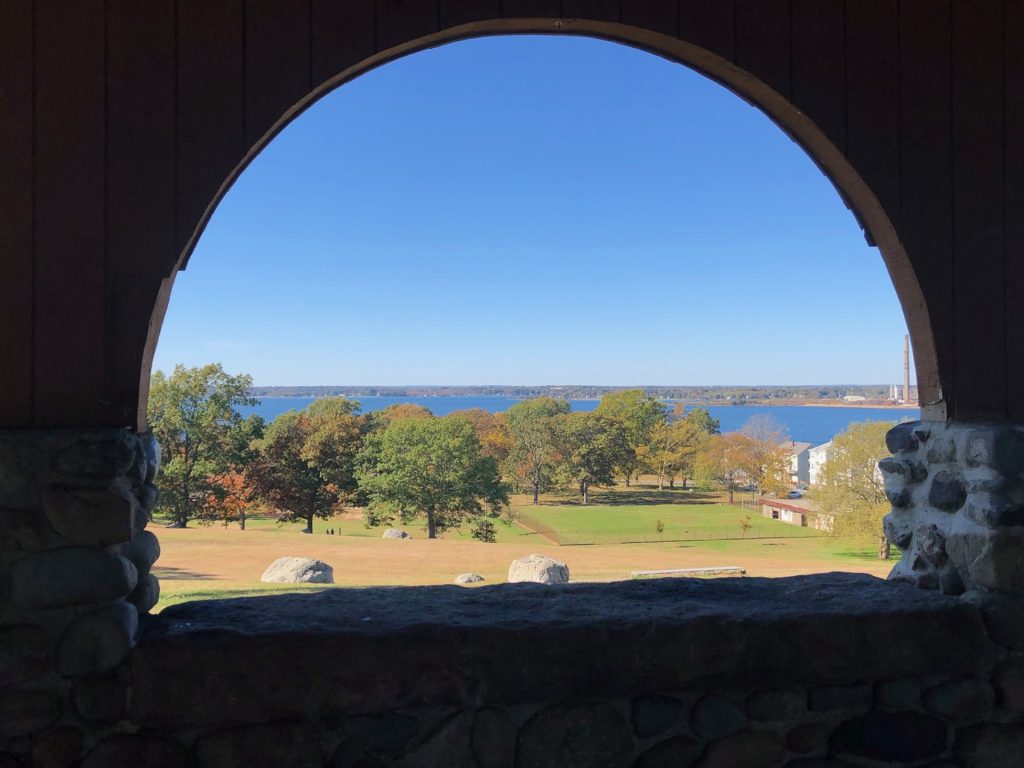
Kennedy Park, one of the city’s largest parks, features pickleball and basketball courts, ball fields, a playground, and broad views toward Mount Hope Bay. Nearby Lafayette Park includes a swimming pool, skate park, playground, and athletic courts.
Whether the plan is a competitive match, an afternoon with the kids, or a picnic under the trees, there is a park ready for it.
Turn the City Into an Outdoor Gallery
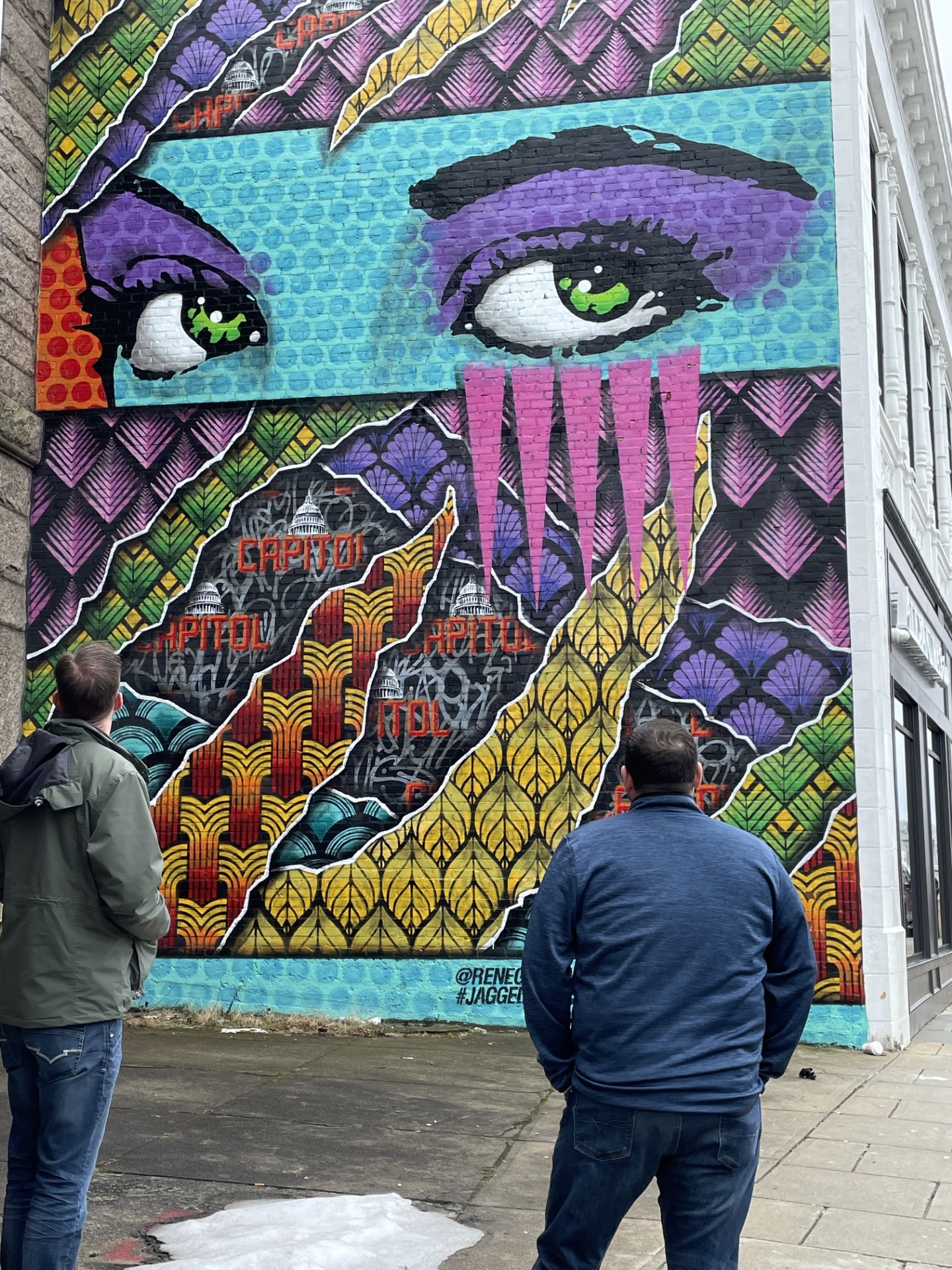
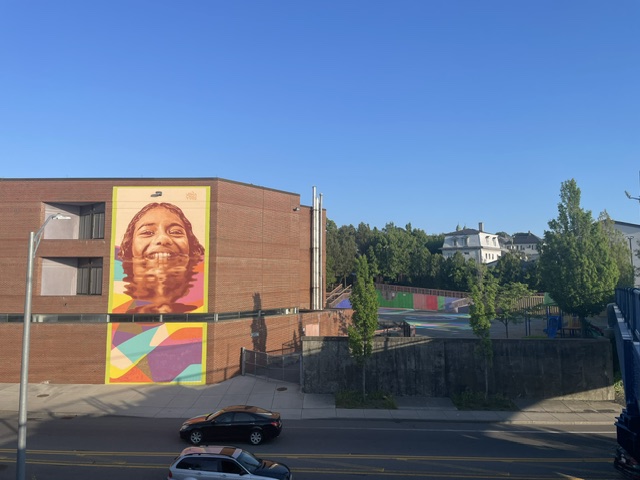
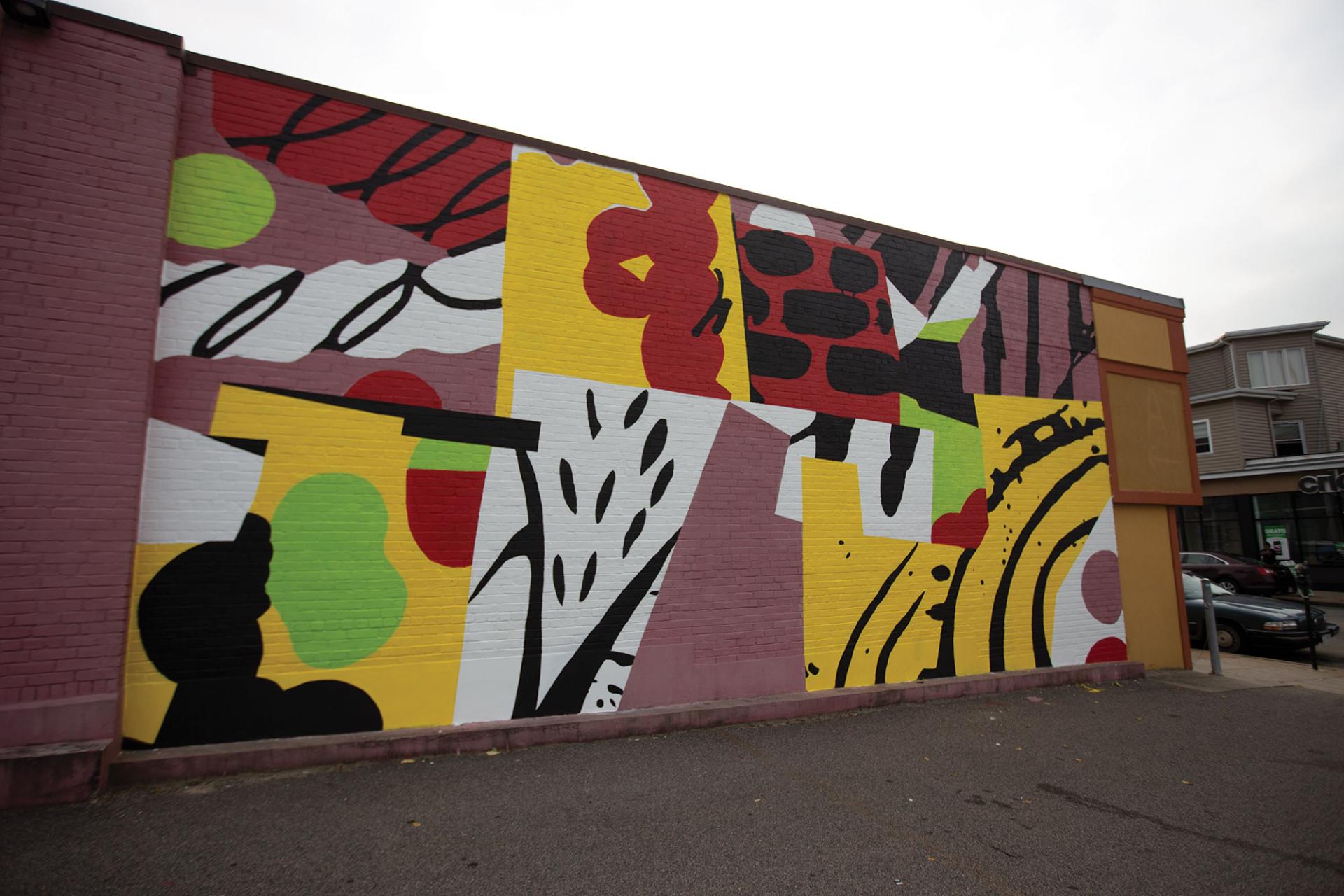
Getting outside in Fall River can also mean exploring the city one mural, sculpture, or streetscape at a time.
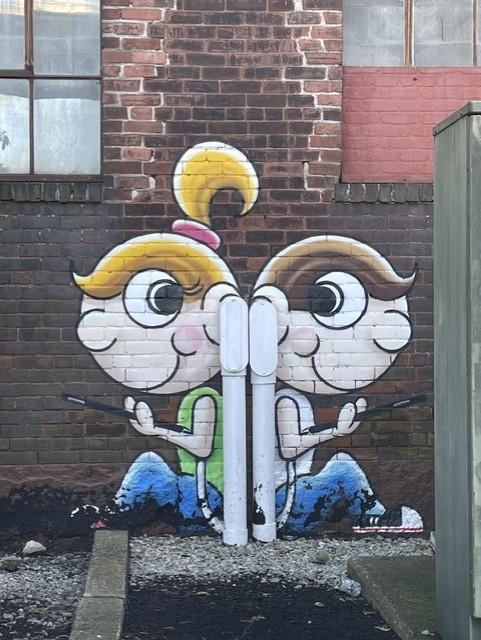
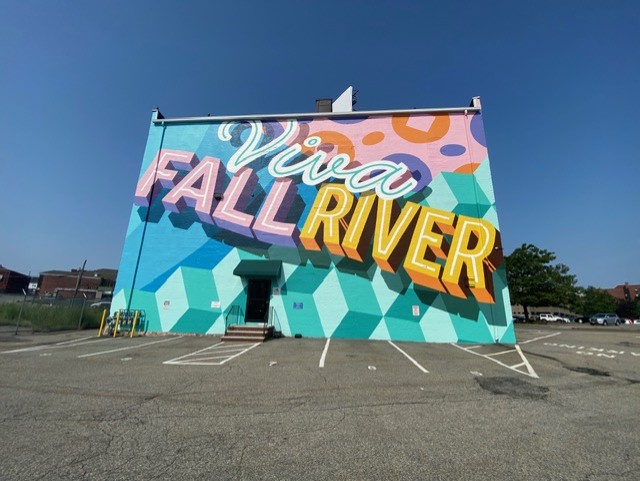
Publicly accessible artwork appears throughout downtown, along the waterfront, beside the Quequechan River Rail Trail, and across the city’s neighborhoods. A self-guided public art tour adds color and creativity to an afternoon walk while introducing visitors to local artists and the city’s evolving cultural landscape.
Pair an art walk with lunch at a neighborhood restaurant, a stop along the waterfront, or a visit to one of the city’s historic attractions for a full day of exploring.
Choose Your Own Outdoor Adventure
Fall River’s outdoor landscape is full of contrasts. Dense woodlands sit within the boundaries of one of Massachusetts’ largest cities. A former industrial rail line has become a trail for cyclists, families, and wildlife watchers. A working waterfront doubles as a place to walk, picnic, play, and watch the sun set.
You can spend the morning hiking through the Bioreserve, the afternoon following the Taunton River, and the evening enjoying food and drinks just minutes away.
Explore more trails, parks, waterways, and recreational attractions through Viva Fall River’s recreation guide, and discover a side of the city that may have been hiding in plain sight.